Private Soccer Coaching for Youth Players
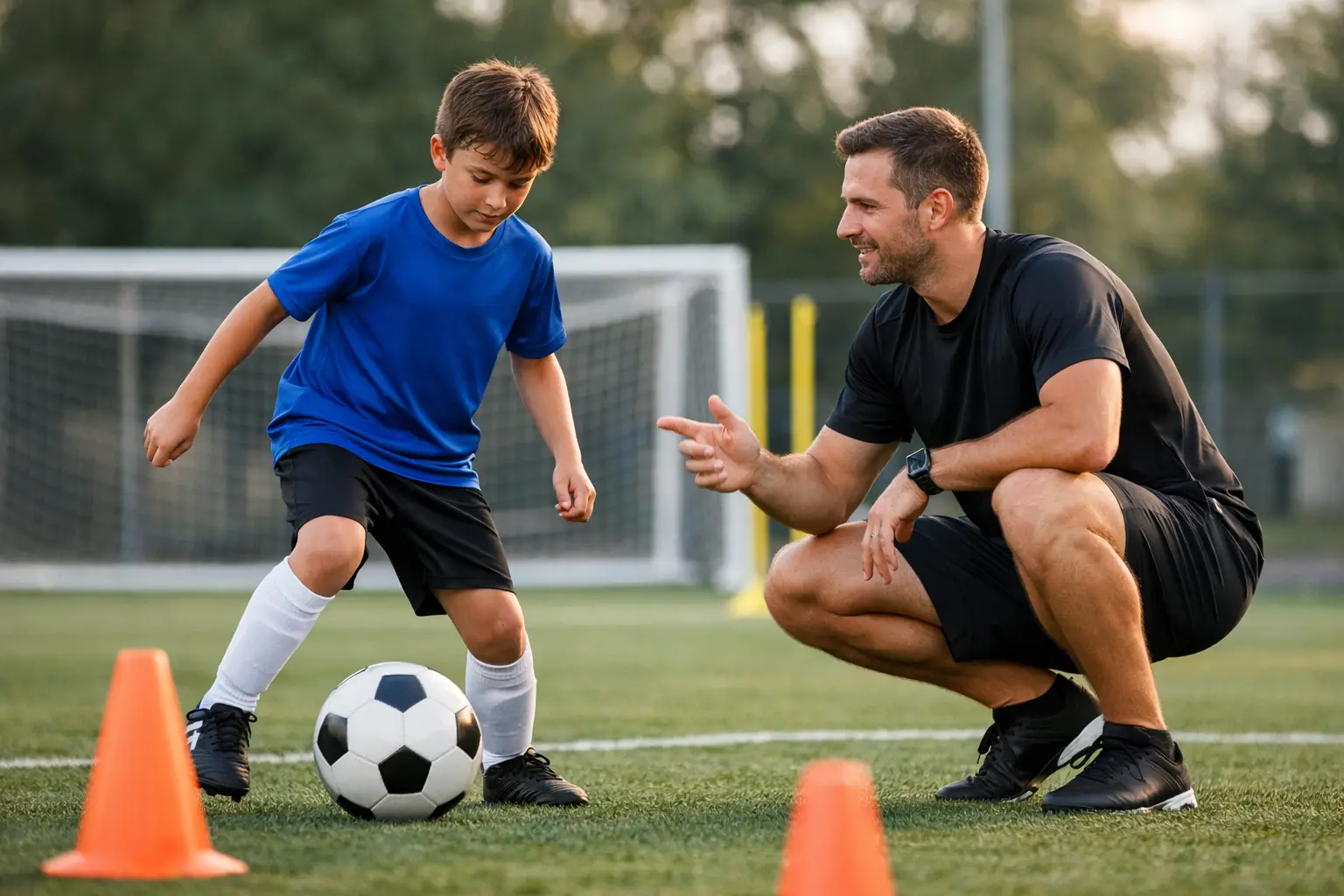
A player gets 90 minutes at team training and may touch the ball far less than a parent expects. In a crowded session, coaches have to manage the group, the activity, and the team objective. That is exactly why private soccer coaching for youth players has become such a valuable tool for families who want more than general improvement. It creates a setting where development is personal, targeted, and measurable.
For some players, that means catching up technically. For others, it means sharpening details that separate good performers from impact players. The difference is not just more touches. It is better coaching attention, clearer correction, and a plan built around how the athlete actually plays.
Why private soccer coaching for youth players works
Team training matters. It teaches spacing, communication, decision-making under pressure, and the demands of the game model. But team sessions are not built to solve every individual issue. A coach with 14 to 18 players on the field cannot stop every rep to rebuild a player’s first touch, body shape, weak foot mechanics, or finishing technique.
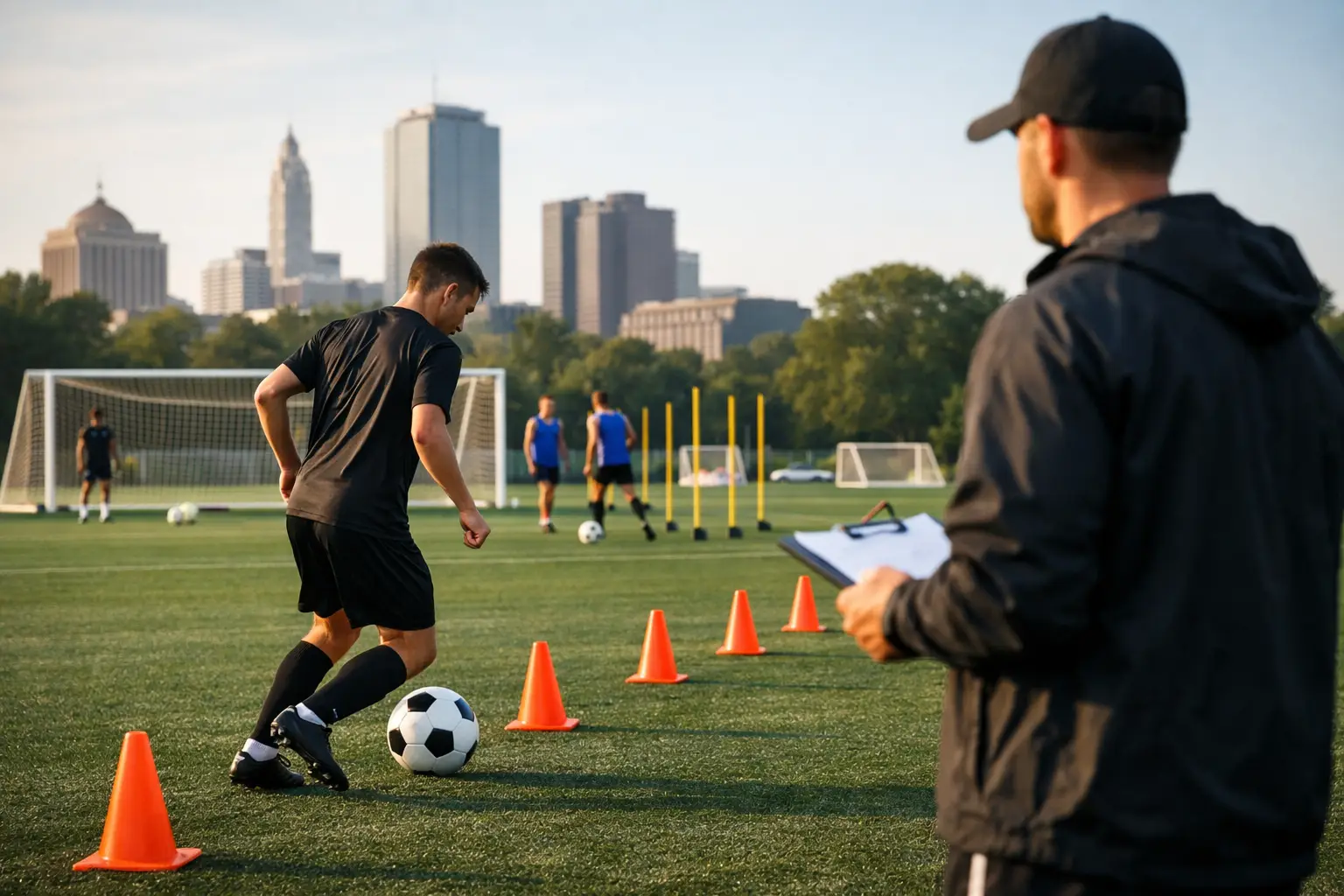
Private soccer coaching for youth players fills that gap. The environment is controlled, the feedback is immediate, and the repetition is intentional. If a player struggles receiving across the body, the session can stay on that detail until it improves. If the issue is explosiveness over the first three steps, training can shift toward movement mechanics, reaction, and acceleration. Progress happens faster when the work is specific.
There is also a confidence factor that parents often underestimate. Young players know when they are behind in a certain area. They feel it in games, and they feel it in comparison to teammates. One-on-one coaching gives them a place to improve without the noise of group comparison. That matters, especially for players who need belief as much as they need instruction.
What a good private session should actually include
Not every one-on-one lesson is high-level development. Some sessions are just extra exercise with a ball. Serious private coaching should be structured around outcomes.
A strong session begins with assessment. The coach needs to identify where the player is now, what is limiting performance, and what should be addressed first. That sounds obvious, but it is where quality coaching separates itself. A nine-year-old who needs coordination, balance, and comfort on the ball should not be trained like a sixteen-year-old winger preparing for college showcases.
From there, the session should move with purpose. Technical repetition should connect to game actions. Ball mastery has value, but if it never progresses into receiving under pressure, striking cleanly, scanning before the touch, or making decisions at speed, development stalls. The best private coaching blends technique, movement, and game understanding instead of isolating them for too long.
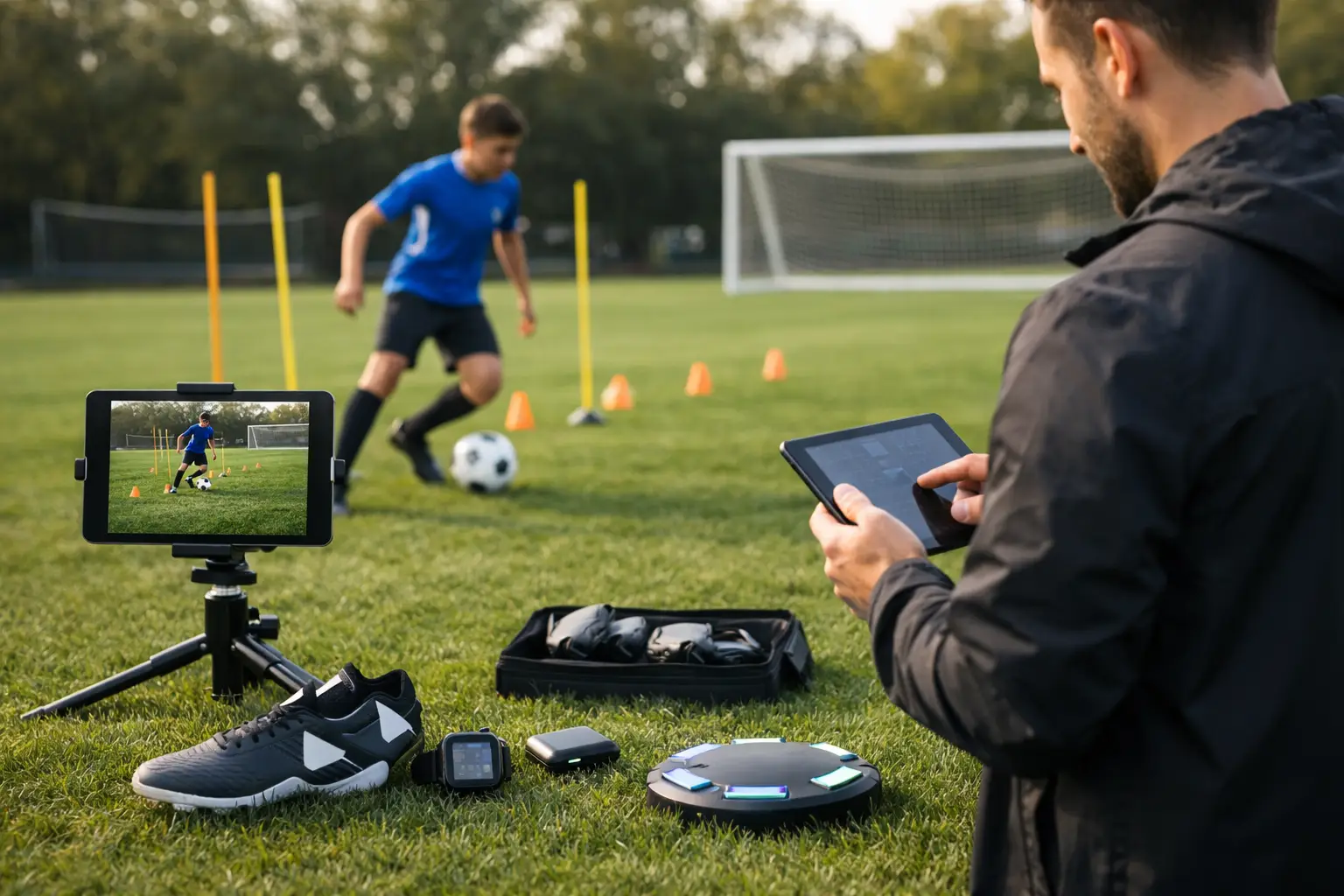
Measurement matters too. Families should be able to see progress beyond vague comments like “looking sharper.” That may come through cleaner execution, improved speed, better consistency on the weak foot, stronger finishing patterns, or data from training technology that tracks reaction, accuracy, or movement efficiency. Serious training should produce visible and measurable growth.
The biggest benefits by age and stage
Private training is not only for elite teenagers. It can be effective across the full youth pathway, but the purpose changes by age.
For younger players, private coaching often works best as a confidence and coordination builder. The focus is usually on clean touches, balance, body control, striking basics, and learning how to use both feet. At this stage, too much tactical complexity can get in the way. The priority is building athletic and technical foundations correctly.
For middle school players, the value often shifts toward precision and speed of execution. This is where poor habits start to punish performance. A heavy first touch, weak scanning habits, or poor shooting mechanics become more obvious as the game gets quicker. Private coaching can correct those details before they become ingrained.
For high school players, training usually becomes more role-specific and performance-driven. A defender may need work on body positioning and passing out of pressure. A midfielder may need sharper scanning and cleaner receiving under load. An attacker may need more efficient finishing and better movement timing. At this stage, college-prep athletes especially benefit from training that matches the demands of their position and level.
It depends, of course, on the player. A highly motivated ten-year-old may benefit more from private work than a disengaged fifteen-year-old. Age alone does not determine readiness. Consistency, coachability, and family commitment matter just as much.
What parents should look for in a coach
Credentials matter, but they are not the whole story. Licensed coaches with high-level playing or coaching backgrounds usually bring stronger methodology, but parents should also look at how the coach teaches. Can they communicate clearly with youth players? Can they adjust the session based on learning speed? Do they understand long-term development, not just short-term intensity?
A good private coach is demanding without being chaotic. The player should leave tired, but also clearer. There should be correction, standards, and accountability. There should also be progression. If every session looks the same for months, that is not a development model. That is routine without direction.
Environment matters as well. A professional indoor facility creates consistency that outdoor training cannot always provide, especially during colder months or weather disruptions. For families serious about year-round progress, that consistency adds up. It keeps technical work on schedule instead of leaving development to the season.
Private coaching vs team training vs small group work
This is where many families ask the right question: is one-on-one coaching better than academy training or small group sessions? The honest answer is that each serves a different purpose.
Team training teaches players how to function in the game. It is essential. Small group work can be excellent for intensity, competition, and skill application with more repetitions than a team environment. Private coaching is best when the player needs targeted correction, accelerated refinement, or individualized planning.
The strongest development usually comes from combining them. A player may train with their team for tactical understanding, attend academy sessions for a higher technical standard, and use private coaching to address specific deficiencies. That layered approach creates better transfer because the player improves the tool individually, then applies it in realistic settings.
Parents should be cautious about overloading the schedule, though. More is not always better. If a player is training constantly but recovering poorly, rushing through homework, and mentally checked out, performance can flatten. The right amount depends on age, maturity, and competitive goals.
When private coaching is worth the investment
Private sessions should solve a real problem or support a clear objective. If a player is plateauing, losing confidence, returning from time away, preparing for a higher level, or aiming to clean up technical flaws, the value is obvious. The return is even stronger when the training plan is connected to specific goals rather than random extra work.
It may be less effective if the player has no interest in focused practice. Private coaching is not magic. It accelerates progress for athletes who are ready to be coached, repeat details, and handle correction. Families should think of it as a performance investment, not a shortcut.
That is also why technology-backed training can make a difference. Tools that measure reaction speed, footwork efficiency, passing accuracy, or cognitive response add clarity to the process. They help players see what is improving and where the next gap is. In a serious development environment, that type of feedback supports motivation because progress becomes concrete.
For families in Columbus looking for a more structured pathway, Soccer Field Academy brings that level of purpose to private training through licensed coaching, advanced development tools, and a year-round performance setting designed for measurable growth.
How to know if your player is ready now
The signs are usually clear. Your child wants extra work. They ask real questions about their game. They are frustrated by the same weakness showing up in matches. Or they have bigger ambitions and know team practice alone is not enough.
Readiness does not mean your player has to be elite already. It means they are willing to be coached with focus. That could be a young beginner learning how to strike the ball correctly or a serious high school player refining details for the next level.
The right private coach will meet the athlete where they are, then raise the standard from there. That is the real value. Not just more training, but better training with a purpose.
If your player is serious about improving, the best time to start is usually before the weakness becomes a pattern that costs them confidence. Development responds to urgency. And in youth soccer, progress rarely comes from waiting for it to happen on its own.